


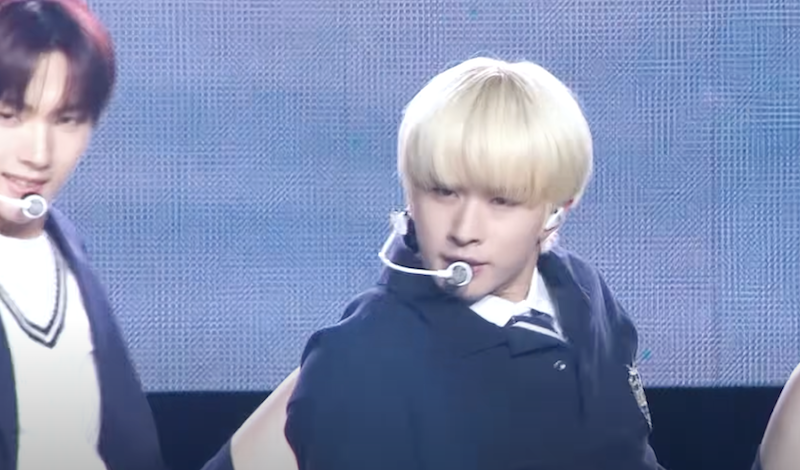
The K-Pop industry is reeling from recent allegations of sexual harassment aimed at a stylist associated with the girl group TWS. The accusations, targeting not only TWS members but also members of the boy group Seventeen, have sent shockwaves through fandoms and reignited discussions about power dynamics and artist safety within the intensely competitive world of K-Pop.
The Accusations: Beyond Inappropriate Comments
While details remain scarce due to the sensitive nature of the situation, the claims extend beyond mere off-color remarks. Reports suggest that the stylist, whose identity has not been publicly revealed, allegedly made sexually suggestive comments towards members of both TWS and Seventeen.
The severity of these accusations lies in the potential power imbalance at play. Idols, particularly young ones, often operate under immense pressure to maintain a flawless image and fulfill demanding schedules. Stylists, entrusted with crafting these idols’ public personas, wield a degree of authority. This creates a situation where young artists might feel intimidated or hesitant to speak up against inappropriate behavior for fear of jeopardizing their careers or facing retaliation.
A History of Silence: Industry-Wide Concerns
The TWS stylist controversy, though specific, is not an isolated incident. The K-Pop industry has a history of grappling with issues of harassment and abuse. Past accusations involving hidden cameras, controlling behavior, and excessive training regimens have painted a concerning picture.
Perhaps the most troubling aspect is the culture of silence that often surrounds these issues. Idols may be pressured to remain quiet, while agencies prioritize maintaining a positive public image over addressing internal problems. This lack of transparency allows such behavior to potentially persist unchecked.
Breaking the Cycle: Fostering Transparency and Safe Spaces
The TWS stylist case serves as a stark reminder of the critical need for open communication and a respectful working environment within K-Pop. All parties involved, from stylists and idols to agencies and management teams, deserve to operate in a safe and professional space.
Addressing this issue requires a multifaceted approach. Agencies can take a more proactive stance by implementing mandatory training on professional conduct and establishing clear channels for reporting inappropriate behavior. These reporting mechanisms need to be designed to protect the whistleblowing idol’s confidentiality and ensure thorough investigations.
Furthermore, creating a culture where idols feel empowered to speak up without fear of reprisal is crucial. This can be achieved by fostering safe spaces within agencies where artists can voice concerns and access support systems. Industry-wide initiatives and workshops that promote healthy work relationships and empower idols are vital steps in the right direction.
The Role of Fans: Champions for Change and Accountability
Fans are a cornerstone of K-Pop’s success. Their dedication and passion fuel the industry’s growth. In the wake of the TWS stylist controversy, fans are emerging as a force for change. They have taken to social media to demand transparency and accountability from agencies. Additionally, their unwavering support for their idols sends a powerful message.
Moving forward, fans can continue to be a driving force in ensuring a safer and more respectful environment within K-Pop. By demanding clear communication and concrete actions against harassment, fans can play a crucial role in pushing for positive change.
A Collaborative Effort: Protecting Artists and Ensuring a Brighter Future
The TWS stylist controversy has ignited crucial conversations about artist safety and professionalism within K-Pop.While the specifics remain unclear, the allegations highlight the urgent need to address potential power imbalances and prevent misconduct.
Genuine change will likely be slow and require collaboration across the industry. Agencies, stylists, idols, and fans all have a role to play. K-Pop can continue to be a vibrant and successful industry, but only if it prioritizes the well-being of the talented artists who power its global appeal.
